The deepening energy crisis triggered by the US-Israel war with Iran has thrust energy security back onto the political stage in European countries — and widened fault lines along with it.
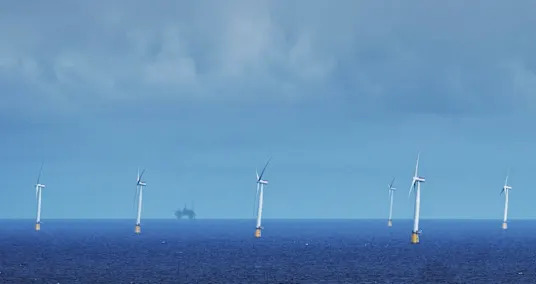
In the UK — which is particularly vulnerable because of its imports of gas, and which suffered hefty price rises following Russia’s 2022 invasion of Ukraine — attention this time has shifted from diversifying supply away from single countries to a broader push to move beyond fossil fuels, said Annabel Rice, a senior political adviser at the Green Alliance, a London-based think tank. Or at least, that’s the takeaway the governing Labour Party seems to have settled on, casting renewables as more insulated to oil price shocks.
France is similarly leaning towards reducing reliance on hydrocarbons. The country’s prime minister has tasked his cabinet with identifying priority actions to electrify the economy. Others in Europe, such as Italy, have so far opted to double down on fossil fuels to cushion the blow from surging electricity bills. The UK’s opposition Conservative Party is pitching a similar idea, launching a “Get Britain Drilling” campaign this week, pressing to reverse the country’s ban on North Sea oil and gas licenses and claiming it would cut bills significantly.

LATEST POSTS
- 1
 This Week In Space podcast: Episode 204 — A New NASA
 - 2Knesset FADC extends emergency draft for 280,000 IDF reservists until January 1
- 3Vote in favor of the juice that you love for its medical advantages!
- 4Figure out How to Forestall Tooth Staining
- 5Easter Island quarry reveals how Polynesians made enigmatic stone statues



- Members of Kenya-led security mission in Haiti were involved in rapes, U.N. says
- Revvity says it will exceed 2025 profit forecast range
- Trial of pro-Palestine activist begins
- Select Your Cherished Fish
- Beating Wellbeing Difficulties: Individual Victories in Health
- Collection of 7,000-year-old ostrich eggs discovered under sand dunes in southern Israel
- Experience Is standing by: History's Most noteworthy Travelers
- Mom warns of Christmas gift hazard as daughter recovers in hospital
- US FDA panel to weigh bid to market nicotine pouches as lower-risk than cigarettes