If you’re looking toward the stars next week, there’s a chance you may spot a celestial event.
The Ursid meteor shower, also known as the Ursids, will be the final meteor shower of the year, making it your last shot at seeing “shooting stars” in 2025. It’ll peak Sunday night to Monday morning, and be visible until Dec. 26,
While the Ursids won’t put on as flashy a show as, say, the Geminids, which peaked earlier this month, or the Perseids, the summer meteor shower that many experts say is the best of the year, it might at least provide some holiday cheer to space enthusiasts. Here’s what to know.
What are the Ursids?
Meteor showers occur when debris from comets collide with Earth’s atmosphere and heat up to the point that they briefly glow — creating that “shooting star” effect. The debris from the Ursids specifically comes from the 8P/Tuttle comet, which has been known since 1790, according to Travel and Leisure.
Tuttle doesn’t leave as much debris as other comets, which is why this meteor shower won’t be as active as others.
Who will see the Ursids? How visible will they be?
The Ursids will be visible to most people in the Northern Hemisphere from Sunday, Dec. 21, to Friday, Dec. 26. During its peak (from Sunday night into Monday morning), the American Meteor Society says to expect about five to 10 meteors per hour — though some might see as many as 25.
Sometimes, the moon’s brightness can make it difficult to see meteor showers. However, that won’t be an issue for this year’s Ursids, as there will be a narrow crescent moon during the peak.
What’s the best way to see the Ursids?
Ursids activity is predicted to be highest around 5 a.m. ET on Dec. 22, so stay up late — or get up extra early — to see it.
You don’t need a telescope or any special equipment to view this meteor shower. Seek out a dark area away from city lights and give time for your eyes to adjust.
LATEST POSTS
- 1
 IDF kills senior PIJ Gaza City Brigade cmdr. who infiltrated Kibbutz Nahal Oz on Oct. 7
- 2Selena Quintanilla documentary 'Selena y Los Dinos: A Family's Legacy' is coming to Netflix
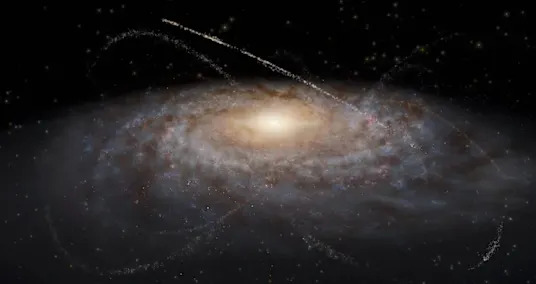
- 3Dozens of hidden star streams found in the outskirts of our Milky Way galaxy
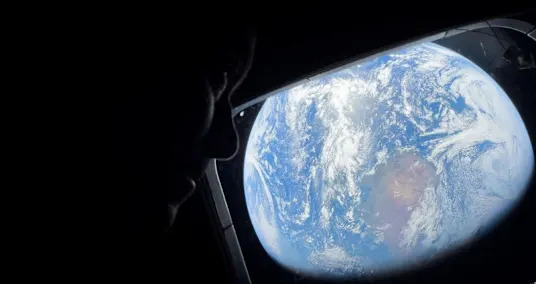
- 4Artemis moon mission breaks record for distance from Earth
- 56 Asian Urban areas to Visit



- Two die and thousands homeless after flooding hits Russia's Dagestan
- Scientists find twisting magnetic waves on the sun. Could this help solve a huge solar mystery?
- Sean 'Diddy' Combs faces new sexual assault allegations, currently under investigation by Los Angeles Sheriff's Department
- My Pioneering Excursion: Building a Startup
- Viruses aren’t all bad: In the ocean, some help fuel the food web – a new study shows how
- 2026 will be the year NASA astronauts fly around the moon again — if all goes to plan
- False fuel prices in fabricated graphics circulate in Malaysia as Iran war continues
- Innospace's rocket crashes in first commercial launch in Brazil; shares tumble
- More than half way to the moon, the Artemis II astronauts are grappling with a toilet problem