A massive dust storm, or haboob, swept across the Sahara Desert from western Algeria into Mauritania, Morocco, Western Sahara and the Canary Islands on March 30. The dust stretched for more than 1,000 miles.
As meteorologists observed the dust storm from space via weather satellites, social media users captured the incoming dust storm on camera. One video shows a thick wall of dust and sand moving toward a resident of the town of Tindouf, near the Mauritanian, Western Saharan and Moroccan borders.
How does the dust affect tropical storms in the Atlantic?
While this storm didn't make it too far off the coast, significant amounts of dust can drift westward from Africa across the Atlantic beginning in May. This can inhibit tropical storm formation, or the strengthening of an existing system, because the dusty air has about 50% less moisture than the typical tropical atmosphere.
Strong winds in the dust layer can also substantially increase the vertical wind shear in and around the storm environment, potentially disrupting any storm that forms.
LATEST POSTS
- 1
 Find the Advantages of Careful Eating: Developing a Sound Connection with Food
 - 2Vote In favor of Your #1 Compelling Female Producer
- 3'Yellowstone' made him a fan favorite. His biggest role isn't the one you see.
- 4Brazil approves law strengthening protective measures for female victims of gender-based violence
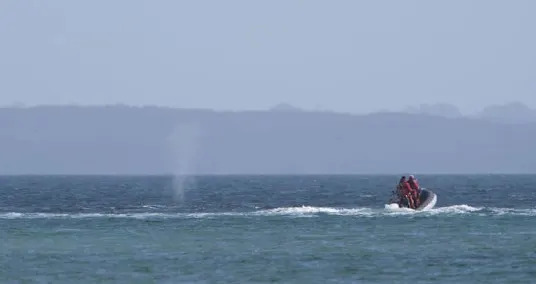
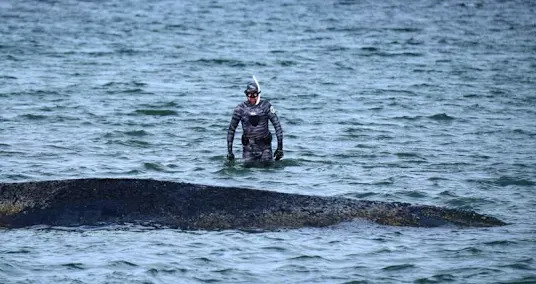
- 5Rescuers again fail to free whale stranded on Germany's Baltic coast




- Living in the dark: Gaza’s struggle for electricity
- Flash flooding causes highways to close to and from Eilat
- The Oscars are moving from ABC to YouTube starting in 2029
- Qatar LNG Ships U-Turn After Attempt to Pass Through Hormuz
- Portugal among EU countries with the most people working close to 50 hours a week
- 5 Food varieties to Remember for Your Eating regimen for Ideal Wellbeing
- After fleeing past Hezbollah fighting, some Israelis on northern border vow to stay
- Apollo vs. Artemis: What to know about NASA's return to the moon
- Boats escort freed whale away from shallow waters off German coast